Learn About Bluetooth
Creating a more accessible world
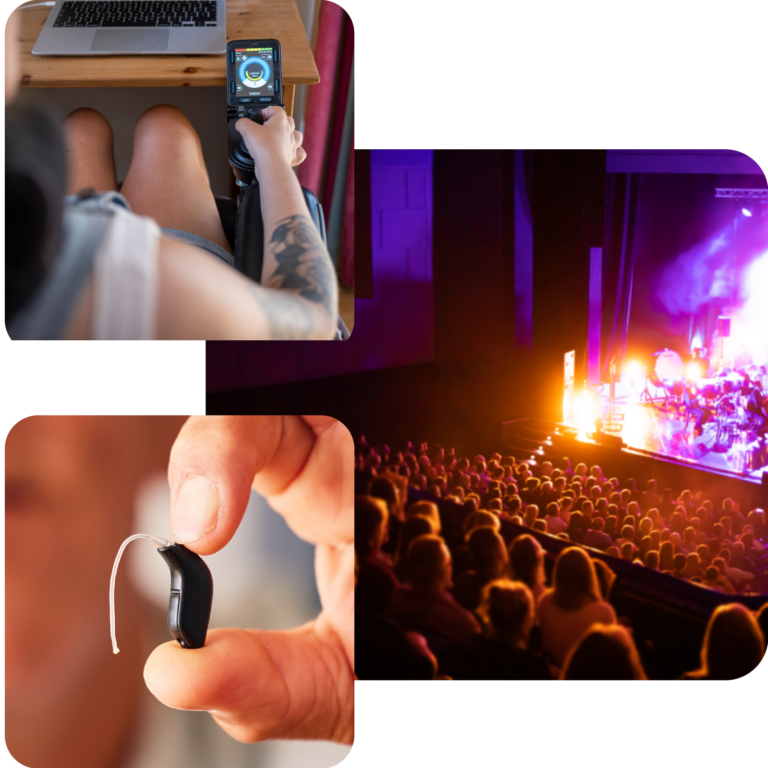
Prioritizing accessibility fosters inclusion, innovation, and equitability. However, environments, technologies, and services must be designed to remove barriers and provide equal opportunities for everyone, regardless of physical, sensory, cognitive, or other impairments.
Bluetooth innovations like Bluetooth® LE Audio and Auracast™ broadcast audio are enhancing accessibility and improving audio quality for all. Bluetooth® LE Audio ensures superior sound quality, reduces power consumption, and enables seamless connectivity across audio devices, particularly hearing aids and wireless headphones. Auracast™ broadcasts revolutionize audio in public spaces, enabling assistive listening and allowing users to connect directly to a venue’s sound system like those in airports, cinemas, theaters, stadiums, and more — enhancing listening experiences for every visitor.
Source: WHO, 2025
Source: WHO, 2025
Hearing aids
Bluetooth® hearing aids and assistive listening solutions allow you to use your hearing devices to connect to Auracast™ audio sources, enhancing engagement and allowing you to fully enjoy everyday conversations and activities.
Source: ABI Research, 2026

Auracast™ transmitters
Auracast™ transmitters (e.g., smartphones, tablets, public address and sound systems, etc.) enable all types of public locations — from large venues such as airports and conference centers to smaller establishments such as gymnasiums, cinemas, and houses of worship — to deliver audio experiences that will enhance visitor satisfaction and increase accessibility.
Source: ABI Research, 2026
Source: ABI Research, 2026
Auracast™ receivers
The Bluetooth SIG expects support for Auracast™ broadcast audio will soon become a standard feature on all mainstream Bluetooth audio products (e.g., headsets, earbuds, hearing aids, etc.) allowing users to tune into audio broadcasts in public venues, eliminating barriers and enhancing listening experiences in public spaces for all. You can also invite others to share in your personal audio experience; your friends and family can use their Auracast™ headsets, earbuds, hearing aids, etc. to tune into audio broadcasted from your smartphone, tablet, or laptop.
Auracast™ location profiles
See how forward-thinking venues are already putting Auracast™ broadcast audio into action—bringing next-generation audio experiences to life today.
Auracast™ broadcast audio and Bluetooth® LE Audio are game changers when it comes to making the world more accessible and inclusive for people with hearing loss. Bluetooth® LE Audio offers amazing sound quality and connects seamlessly with hearing aids, while Auracast™ broadcasts transform how we experience audio in public spaces, making it easier for people to enjoy events in theatres and cinemas and navigate places like airports and public spaces. By focusing on designing technologies and services that break down barriers, we are opening up opportunities for everyone, no matter their challenges.
Thomas Olsgaard, GN Resound
Conversations on accessibility
Guest experts offer firsthand stories and insights into the real-life impact of inclusive innovation
Bluetooth® audio solutions help deliver immersive and inclusive consumer experiences. Superior music and voice quality, industry-leading low latency, hearing enhancement, and personalization, all supported by seamless connectivity and low power consumption, help users interact with the world in new ways.
Dino Bekis, VP and general manager of wearables and mixed-signal solutions, Qualcomm Technologies, Inc.
Creating a more convenient world